When I look around at modern communities, I notice that life has become more connected than ever, but people still face many serious social problems. Technology has made communication easier, cities have grown rapidly, and people have access to information within seconds. Even with these improvements, many individuals and families continue to struggle with problems that affect their daily lives.
In my opinion, social problems are not limited to one country, city, or group of people. They can appear in almost every community, although their causes and effects may be different. Some problems are easy to notice, while others remain hidden behind closed doors. Understanding these challenges is important because a healthy community depends on people feeling safe, respected, supported, and included.
1. Poverty and Financial Hardship
One of the most common social problems I see in modern communities is poverty. People may work hard every day and still struggle to pay for food, housing, education, transportation, and other basic needs.
Financial hardship can affect a person’s entire life. When a family does not have enough money, parents may have difficulty providing educational opportunities for their children. Young people may leave school early to help their families financially. Adults may accept difficult working conditions because they cannot afford to lose their jobs.
I believe poverty should not be viewed simply as a personal failure. Economic conditions, limited employment opportunities, rising living costs, lack of education, and unexpected emergencies can all contribute to financial difficulties.
Communities can help by supporting education, job training, affordable housing, local employment, and programs that help families become financially independent.
2. Unemployment and Lack of Opportunities
Another major issue is unemployment. Finding a suitable job can be difficult, especially for young people who are entering the workforce for the first time.
Even when jobs are available, they may not provide enough income or long term stability. Some people also have skills that do not match the jobs available in their communities.
From my point of view, communities need to focus more on practical education and skill development. Young people should have opportunities to learn skills that can help them find employment or start small businesses.
Online education and remote work have created new possibilities, but access to technology and reliable internet is still unequal in many places.
3. Homelessness and Housing Problems
Housing is another serious social concern. A safe and affordable home is one of the most basic requirements for a stable life, yet many families struggle to find one.
High rent, low wages, unemployment, family problems, and unexpected financial difficulties can contribute to housing insecurity. Some people may have to move frequently, while others may live in overcrowded or unsafe conditions.
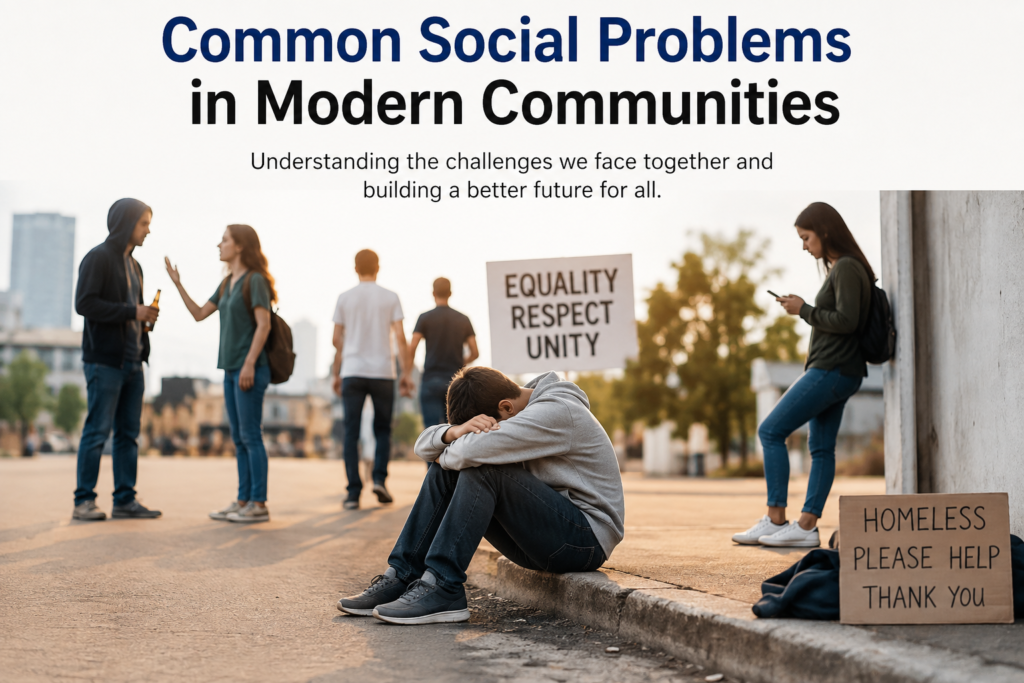
Homelessness is particularly difficult because people without stable housing often face additional challenges with employment, education, healthcare, and social relationships.
I believe communities should treat housing as more than simply a financial issue. Safe housing provides people with stability and gives them a better opportunity to improve other areas of their lives.
4. Social Isolation and Loneliness
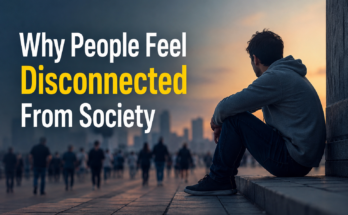
Modern technology has connected people in many ways, but it has also created a strange situation where someone can communicate with hundreds of people online and still feel completely alone.
Social isolation can affect people of all ages. Elderly people may live far from their families. Young adults may struggle to make meaningful friendships. People who move to a new city may find it difficult to build a social network.
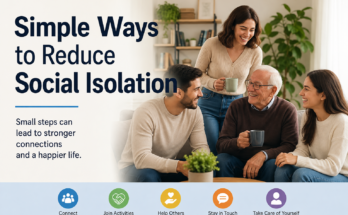
In my opinion, communities should create more opportunities for real human interaction. Local events, sports activities, libraries, volunteer programs, educational groups, and community gatherings can help people develop meaningful relationships.
A strong community is not only about living close to other people. It is about knowing that someone is there when we need support.
5. Discrimination and Inequality
Discrimination continues to affect many communities. People may be treated unfairly because of their background, appearance, age, disability, economic situation, or other personal characteristics.
I believe equality should begin with everyday behavior. People should have opportunities to study, work, participate in society, and express themselves without being unfairly judged.
Education can play an important role in reducing discrimination. When people understand different experiences and perspectives, they may become more respectful toward others.
Communities also need fair policies and systems that give everyone a reasonable opportunity to succeed.
6. Crime and Community Safety
Crime is another problem that can make people feel unsafe in their own neighborhoods. Theft, violence, harassment, vandalism, and other forms of crime can damage trust between residents.
However, I believe preventing crime requires more than punishment. Communities should also examine the conditions that can contribute to criminal behavior.
Young people need access to education, employment, positive activities, and supportive adults. Families need access to assistance when they are struggling. Neighborhoods need safe public spaces and effective community services.
When people feel connected to their community, they are often more willing to protect and support one another.
7. Education Inequality
Education can change a person’s future, but not every student receives the same opportunities.
Some children have access to good schools, computers, books, private tutoring, and supportive learning environments. Others may study in difficult conditions with limited resources.
In my view, education should be one of the main priorities of every community. A child’s future should not depend entirely on the financial situation of their parents.
Improving schools, supporting teachers, providing learning materials, and expanding access to digital education can make a meaningful difference.
8. Mental and Emotional Wellbeing
Modern life can be stressful. People may face financial pressure, academic competition, workplace demands, family responsibilities, social expectations, and uncertainty about the future.
Many people do not openly discuss emotional struggles because they fear being judged. This can leave individuals feeling alone when they actually need support.
I think communities should encourage respectful conversations about emotional wellbeing. People should feel comfortable asking for help without being treated negatively.
Supportive families, friendships, schools, workplaces, and community organizations can make people feel less alone during difficult periods.
9. Pollution and Environmental Problems
Environmental problems are also social problems because they directly affect the quality of life within communities.
Air pollution, poor waste management, unsafe water, noise, and a lack of green spaces can affect people’s health and comfort. Rapid urban development can sometimes make these problems worse when environmental planning is ignored.
I believe every person has a role to play in protecting the environment. Small actions such as reducing unnecessary waste, keeping public spaces clean, using resources responsibly, and supporting local environmental projects can contribute to a healthier community.
Governments and organizations also have an important responsibility to create effective environmental policies and infrastructure.
10. The Impact of Social Media
Social media has many benefits, but it can also create social challenges. People often compare their lives with carefully edited versions of other people’s lives.
This can create unrealistic expectations about wealth, appearance, relationships, and success. Social media can also spread misinformation and encourage arguments between people with different opinions.
Personally, I believe social media is most useful when we control how we use it instead of allowing it to control our attention. Taking breaks, checking information before sharing it, and maintaining real world relationships can help create a healthier balance.
How Communities Can Address Social Problems
I believe solving social problems requires cooperation. Governments cannot solve everything alone, and individuals cannot solve everything by themselves.
Families, schools, businesses, nonprofit organizations, local leaders, and ordinary residents all have a role to play.
One of the first steps is communication. People need safe opportunities to discuss problems honestly. Communities should listen to residents instead of assuming that everyone has the same needs.
Education is another important solution. When people understand social issues, they are more likely to make responsible decisions and support constructive solutions.
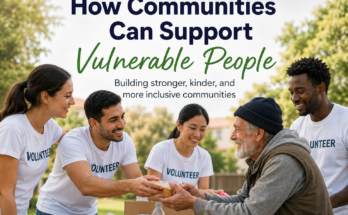
Volunteering can also make a difference. Helping at a local organization, supporting a neighbor, mentoring young people, or participating in community projects may seem like small actions, but many small actions can create significant change.
Conclusion
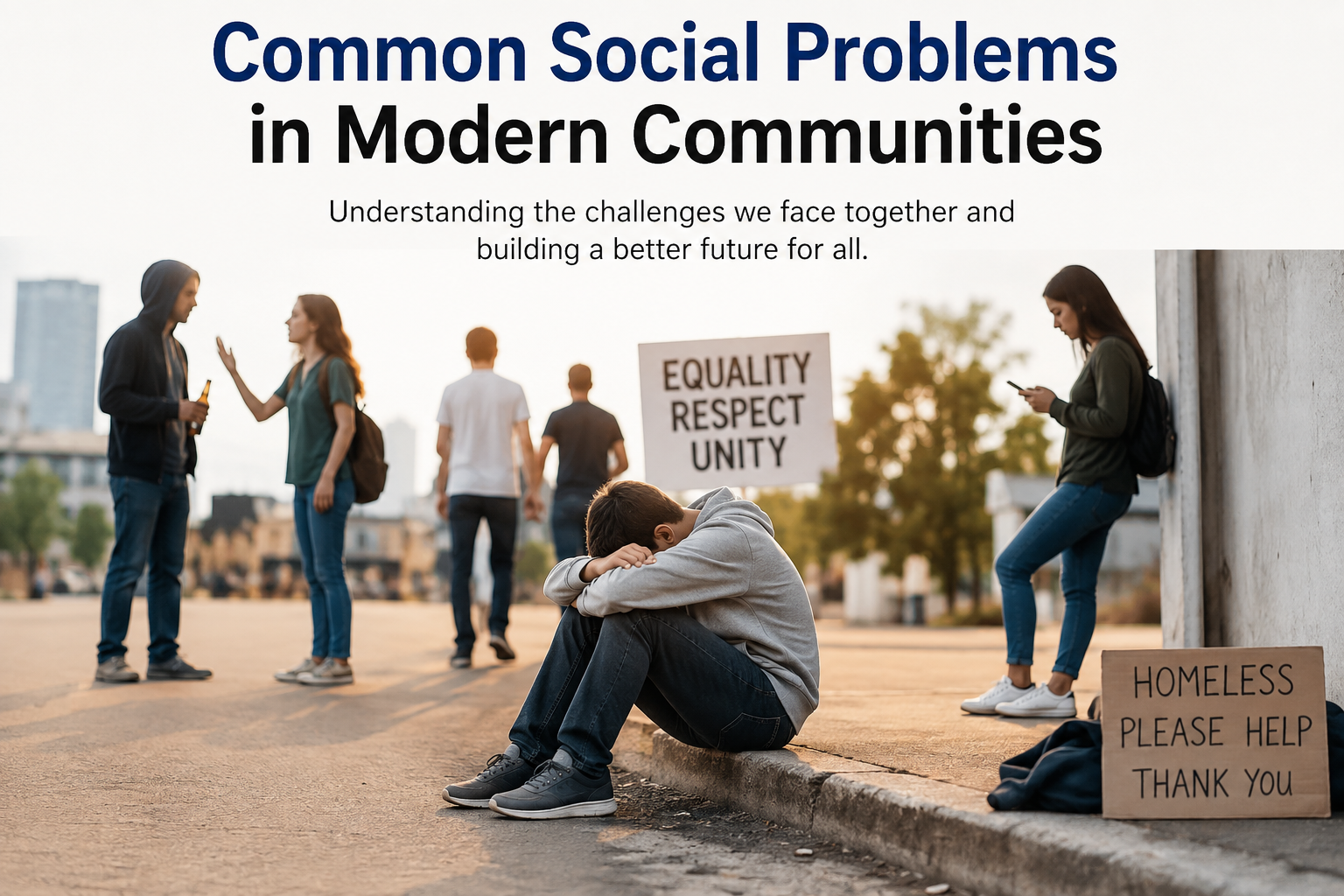
Common social problems in modern communities are complicated, and there is rarely one simple solution. Poverty, unemployment, housing difficulties, loneliness, discrimination, crime, education inequality, emotional struggles, environmental problems, and social media challenges can affect people in different ways.
In my opinion, the most important thing is not to ignore these problems. A community becomes stronger when people are willing to recognize difficulties and work together to address them.
We may not be able to solve every social problem immediately, but we can contribute through kindness, education, responsible behavior, volunteering, and respect for others.
A better community begins with ordinary people taking small but meaningful actions. When individuals care about the wellbeing of others, communities become more supportive, safer, and more hopeful. I believe that creating a better society is not only the responsibility of governments or organizations. It is something we can all contribute to through the choices we make every day.