When I think about making a difference in society, I do not believe that someone has to be rich, powerful, or famous to create positive change. In my opinion, students can also play an important role in making their communities better. Students have energy, creativity, knowledge, and the ability to influence people around them. Even small actions can create meaningful results when they are done with honesty and consistency.
Many students think that changing society is a responsibility only for adults, governments, or large organizations. I used to think about social change in a similar way. However, I have realized that positive change often begins with ordinary people doing simple things. A student who helps a classmate, keeps the surroundings clean, teaches someone, plants a tree, or volunteers for a community activity is already contributing to society.
Help People Around You
One of the easiest ways students can make a difference is by helping people around them. We do not always have to look for big opportunities to serve others. Sometimes, the person who needs help is sitting right next to us.
Students can help classmates who are struggling with their studies. If someone does not understand a lesson, sharing notes or explaining a difficult topic can make a real difference. I believe that knowledge becomes more valuable when we share it with others instead of keeping it only for ourselves.
Students can also support elderly people, neighbors, younger children, or anyone who needs simple assistance. Helping someone carry something, guiding a person who is confused, or simply listening to someone can have a positive impact.
Volunteer in the Community
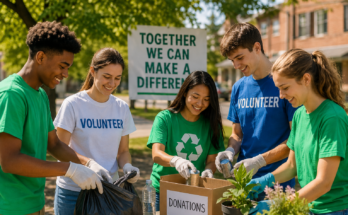
Volunteering is another excellent way for students to contribute to society. Students can participate in activities organized by schools, colleges, local groups, or community organizations.
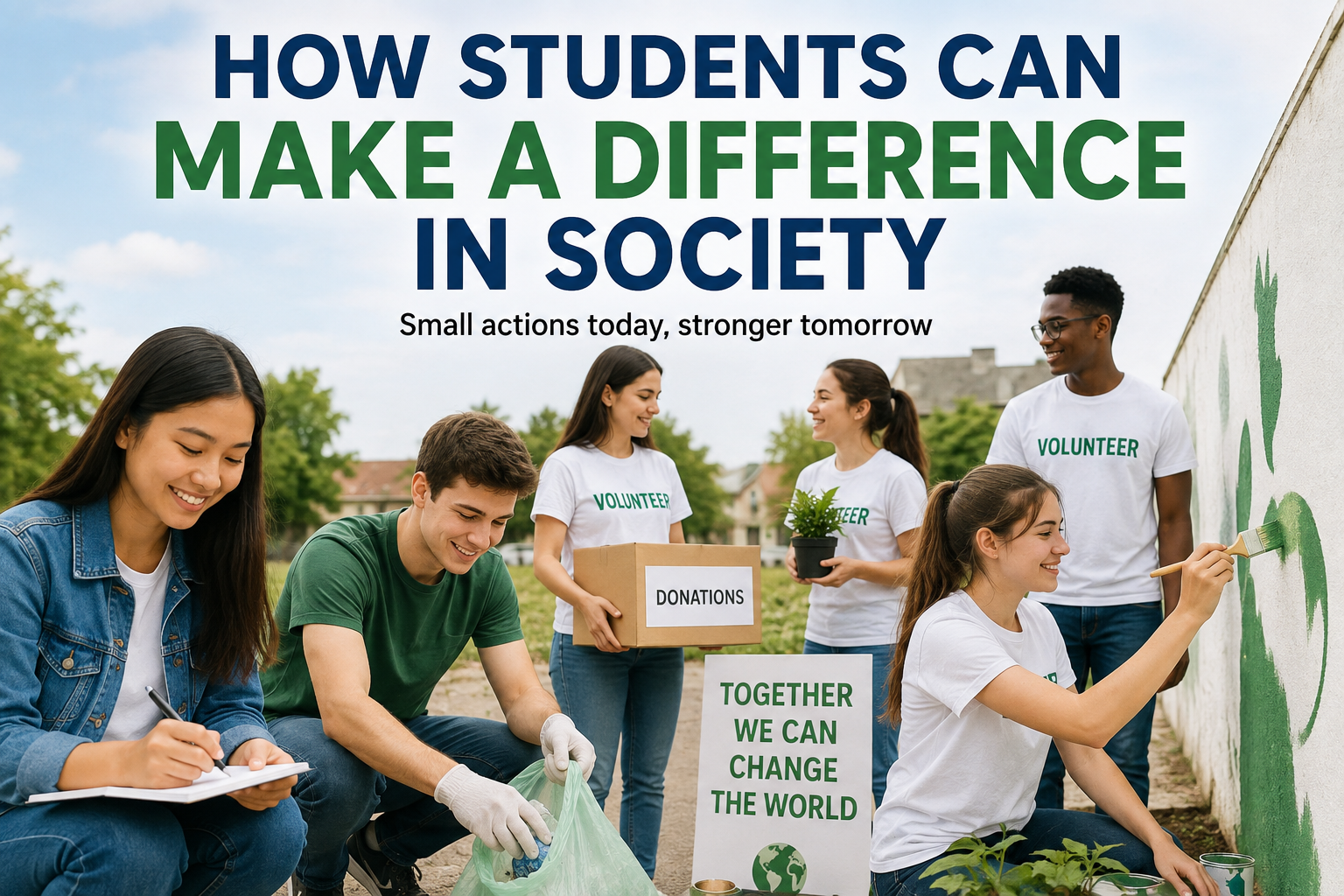
There are many types of volunteer work that do not require special qualifications. Students can help clean public areas, organize donation drives, support educational activities, distribute useful items, or assist during community events.
From my point of view, volunteering teaches lessons that cannot always be learned inside a classroom. It teaches responsibility, teamwork, patience, communication, and compassion. When students spend time helping others, they begin to understand the problems people face in everyday life.
Keep the Environment Clean
Taking care of the environment is something every student can do. We all depend on clean air, clean water, trees, and healthy surroundings, so protecting the environment should not be considered someone else’s job.
Students can start with simple habits. They can avoid throwing rubbish on roads, reduce unnecessary plastic use, reuse useful items, and dispose of waste properly. They can also encourage friends and classmates to keep schools and public places clean.
Planting trees is another meaningful activity. A student may plant one tree and think that it is a very small action, but that tree can grow for many years and benefit many people. I believe environmental responsibility begins with small habits that become part of our daily lives.
Share Knowledge With Others
Education is one of the strongest tools students have. A student who has knowledge in a particular subject can use that knowledge to help others.
Students can organize small study groups where classmates help each other. They can tutor younger students or share useful educational resources. Students with computer skills can also teach basic digital skills to people who are not familiar with technology.
I think this is especially important because not everyone has equal access to educational support. When students share what they know, they can help reduce learning gaps within their communities.
Promote Kindness and Respect
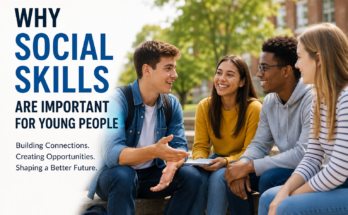
Making a difference in society is not always about organized activities. Sometimes it is about the way we treat other people.
Students can make their schools and communities better by being respectful and kind. They can avoid bullying, support students who feel left out, and speak respectfully even when they disagree with someone.
In my opinion, kindness has a powerful effect because it can spread from one person to another. When one student treats others with respect, other students may be encouraged to behave in the same way.
A friendly conversation or a few encouraging words may seem unimportant, but for someone having a difficult day, they can mean a lot.
Use Social Media Responsibly
Students today spend a lot of time online, which gives them an opportunity to spread positive messages. Social media can be used for entertainment, but it can also be used to support useful causes and share educational information.
Students can share information about community activities, environmental campaigns, educational opportunities, charity events, and other positive initiatives. They can also encourage their friends to participate in meaningful activities.
However, I believe responsible online behavior is very important. Students should think carefully before sharing information. They should avoid spreading rumors, insulting people, or sharing content that could hurt someone.
Using social media responsibly is itself a contribution to a healthier society.
Support Local Causes
Students can also support causes that matter in their communities. These causes might include education, environmental protection, helping disadvantaged families, animal welfare, public cleanliness, or community development.
Supporting a cause does not always require money. Students can donate their time, skills, ideas, or effort. For example, someone who is good at designing can create posters for a community campaign. A student who writes well can help prepare awareness material. Someone who enjoys organizing can help coordinate a local activity.
I think every student has a skill that can be useful when it is directed toward a positive purpose.
Encourage Other Students to Participate
One student can start something, but a group can often achieve much more. Students can encourage their friends and classmates to participate in community activities.
For example, instead of cleaning an area alone, a student can invite classmates to join. Instead of studying alone, students can create a study group. Instead of complaining about an environmental problem, they can organize a small awareness activity.
The important thing is to begin. People often wait for someone else to take the first step. A student who takes that first step can inspire many others.
Be Responsible at School
Students can contribute to society by becoming responsible members of their schools. Following rules, respecting teachers, caring for school property, attending classes regularly, and completing responsibilities are simple things, but they help create a better learning environment.
I believe responsibility learned at school can continue into adult life. A student who learns to respect shared spaces and cooperate with others is more likely to become a responsible member of society in the future.
Schools are not only places where students learn academic subjects. They are also places where students learn how to live and work with other people.
Stand Against Bullying
Bullying is a serious issue that can affect students emotionally and academically. Students can make a difference by refusing to participate in bullying and by supporting people who are being treated unfairly.
If someone is being bullied, students can offer friendship and report serious situations to a trusted teacher or responsible adult. They should never encourage bullying by laughing, sharing harmful content, or joining in.
In my view, creating a safe environment is one of the most important ways students can improve their schools. Everyone deserves to feel respected and accepted.
Participate in Community Discussions
Students should also learn to understand the problems affecting their communities. They can listen to different opinions, discuss ideas respectfully, and think about possible solutions.
Being involved in society does not mean agreeing with everyone. It means learning how to communicate respectfully and understand different perspectives.
Students can discuss issues such as education, cleanliness, environmental protection, public safety, and youth opportunities. These discussions can help students develop confidence and become better problem solvers.
Small Actions Can Create Big Change
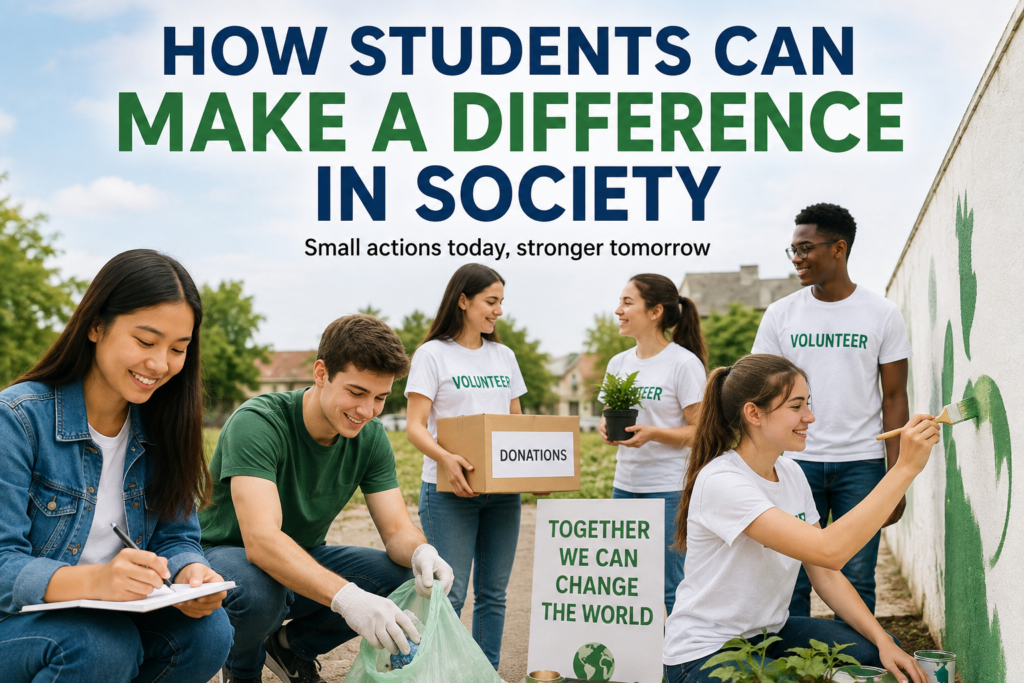
One thing I strongly believe is that students should not underestimate small actions. A single action may not transform an entire society, but many small actions performed by many people can create significant change.
Imagine hundreds of students planting trees, helping younger children study, keeping public areas clean, supporting local charities, and treating others with kindness. The combined effect could be much greater than anyone expects.
Social change does not always happen suddenly. Sometimes it develops slowly through daily habits and consistent effort.
Conclusion
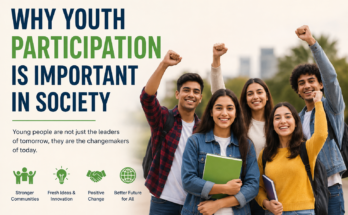
Students have an important place in society, and they have many opportunities to make a positive difference. They can help others, volunteer, protect the environment, share knowledge, promote kindness, use social media responsibly, support local causes, and encourage their friends to participate.
From my point of view, the most important thing is not waiting until we become adults before trying to improve society. We can start with what we have right now. We may not have a lot of money or influence, but we have time, energy, skills, ideas, and the ability to care about other people.
I believe every student has the potential to make a difference. The change may begin with something as simple as helping one person or cleaning one small area. When those small actions become regular habits, they can influence other people and create a stronger community.
A better society is not created by one person alone. It is created when ordinary people decide to take responsibility for the world around them. Students can be part of that change today, and the lessons they learn through helping others can shape the kind of society they build tomorrow.