A strong community is not only a place where people live near each other. In my opinion, a strong community is a place where people notice each other, care about one another, and offer support when someone is going through a difficult time. Every community has people who may need extra help for different reasons. They could be older adults, people with disabilities, families facing financial difficulties, children without enough support, people experiencing homelessness, or individuals who are simply going through a difficult period in their lives.
I believe supporting vulnerable people should not be seen as the responsibility of one person or one organization. It is something that everyone can contribute to in their own way. Even small acts of kindness can make someone feel respected, included, and valued. When communities work together, they can create an environment where fewer people feel forgotten or alone.
Understanding Who Vulnerable People Are
Before a community can provide meaningful support, I think it is important to understand what vulnerability actually means. A vulnerable person is not necessarily someone who is weak. Vulnerability can happen because of circumstances that make everyday life more difficult.
For example, an elderly person living alone may struggle with transportation or household tasks. A family with limited income may have difficulty paying for food, education, or housing. Someone with a disability may face physical barriers that other people never notice. A person who has recently lost a job may need temporary financial and emotional support.
Understanding these situations helps us avoid judging people. Instead of asking why someone cannot solve a problem alone, we can ask what barriers are making the problem harder.
Start With Simple Acts of Kindness
One of the easiest ways communities can support vulnerable people is through simple acts of kindness. We sometimes think helping others requires a lot of money or special skills, but that is not always true.
Checking on an elderly neighbor, helping someone carry groceries, offering a ride, sharing useful information, or simply listening to someone can make a meaningful difference.
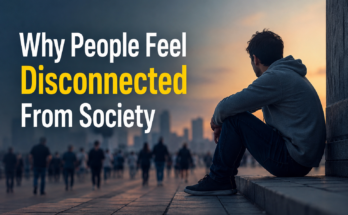
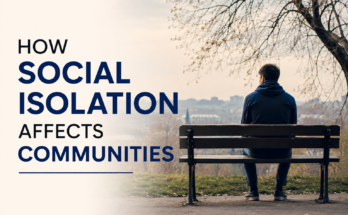
I believe people often underestimate the value of being present. Someone who feels isolated may not need an expensive gift. They may simply need another person to talk to. A friendly conversation can remind someone that they are still part of the community.
Build Strong Local Support Networks
Communities become stronger when people know where to turn when they need help. Local support networks can connect vulnerable people with volunteers, community groups, charities, schools, religious organizations, and other services.
For example, a neighborhood could create a simple system where volunteers help older residents with shopping, transportation, basic technology, or household tasks. Community members could also share information about food assistance, educational opportunities, employment resources, and other forms of support.
In my view, communication is one of the most important parts of this process. Support is difficult to access when people do not know that it exists.
Make Food Support More Accessible
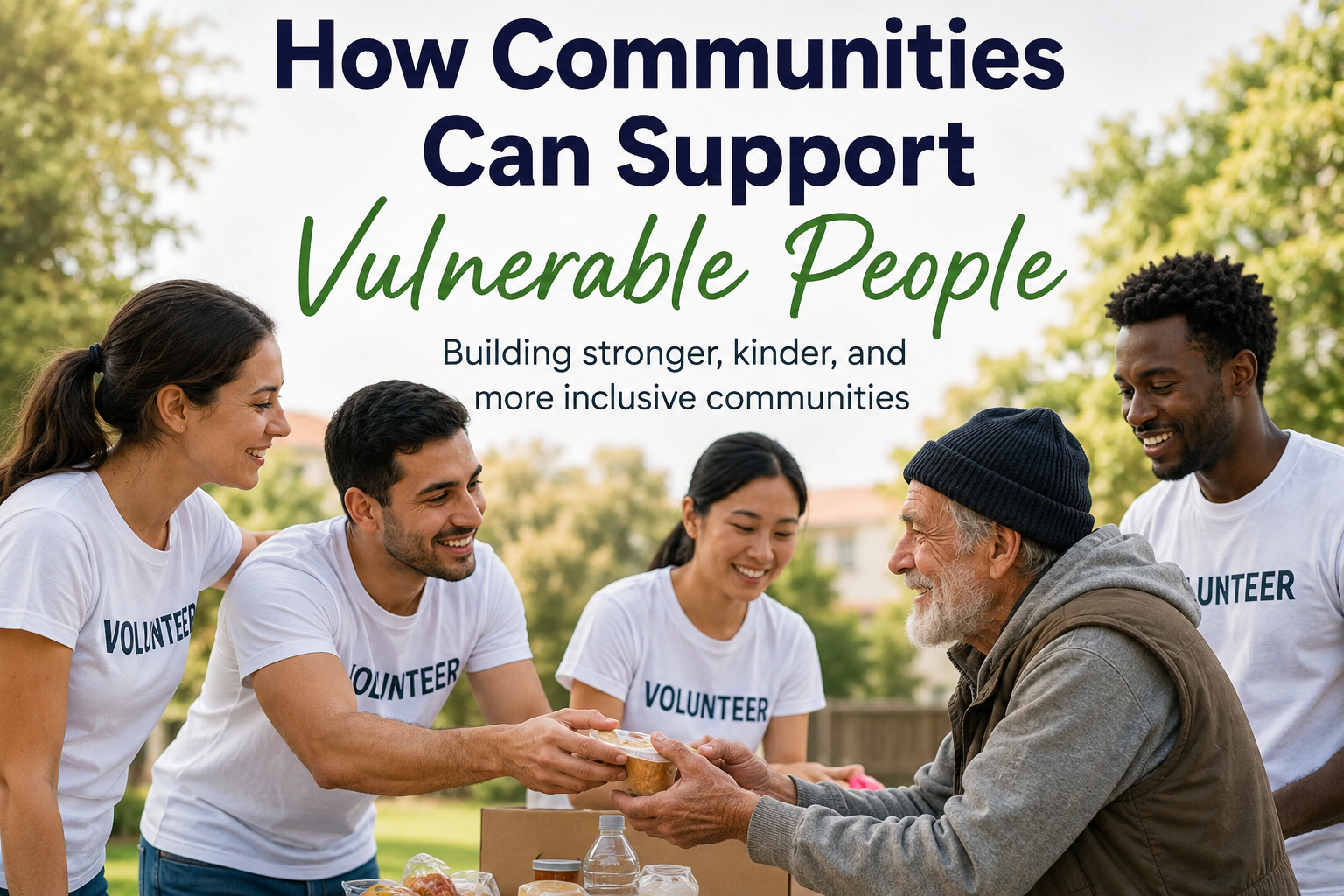
Food insecurity is one of the most serious challenges many families face. Communities can help by organizing food drives, community kitchens, food banks, and meal sharing programs.
Local businesses can also contribute by donating suitable surplus food instead of allowing it to go to waste. Residents can donate basic food items when they are able to do so.
However, I believe food support should always be offered with dignity. Nobody should be made to feel embarrassed because they need assistance. A community should focus on helping people rather than judging them.
Support Children and Young People
Children and young people need strong support because their experiences can influence their future. Communities can help by creating safe spaces where young people can learn, play, communicate, and develop useful skills.
Volunteer tutoring programs can help students who are struggling academically. Local groups can organize reading programs, sports activities, creative workshops, and mentoring opportunities.
Adults can also become positive role models. Sometimes a young person simply needs someone who believes in them and encourages them to keep going.
I think investing time in young people is one of the best ways a community can invest in its future.
Help Older Adults Stay Connected
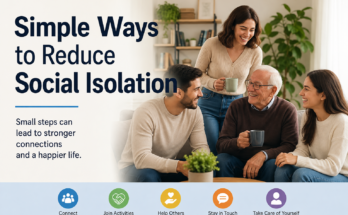
Older adults can become isolated for many reasons. They may live alone, have limited transportation, or find it difficult to participate in activities.
Communities can help by organizing social gatherings, neighborhood visits, exercise activities, and accessible community events. Volunteers can also help with small everyday tasks.
Technology can be useful too. Teaching older adults how to use smartphones, video calls, and online services can help them stay connected with family and friends.
Most importantly, older people should not be treated as if they have nothing to contribute. They have knowledge, experience, memories, and skills that can benefit younger generations.
Create Inclusive Public Spaces
A supportive community should make its public spaces accessible to as many people as possible. Parks, libraries, community centers, sidewalks, and public buildings should consider the needs of people with disabilities, older adults, parents with young children, and others who may face physical barriers.
Accessibility is not only about ramps. It can also include clear signs, suitable seating, safe walking areas, accessible transportation, and spaces where people feel comfortable participating.
When public spaces are designed with different needs in mind, more people can take part in community life.
Encourage Volunteering
Volunteering gives people an opportunity to support others while also building stronger relationships within the community. There are many different ways to volunteer.
Some people may enjoy helping at food drives. Others may prefer tutoring children, visiting older adults, cleaning public spaces, organizing events, or helping local charities.
I believe communities should make volunteering simple and welcoming. People are more likely to participate when they know exactly what help is needed and how much time is expected from them.
Even one hour of volunteering can make a difference.
Support People During Difficult Times
Life can change unexpectedly. A person may lose a job, experience financial difficulties, lose a family member, or suddenly need additional support.
During these moments, communities can provide practical and emotional assistance. Neighbors can prepare meals, help with transportation, provide information about available services, or simply check in regularly.
Sometimes people do not ask for help because they are afraid of being judged. That is why communities need to create a culture where asking for support is not considered something shameful.
Needing help at one point in life does not mean a person will always need it. Anyone can experience difficult circumstances.
Create Opportunities for Employment and Skills
Employment can provide financial stability, confidence, and a sense of purpose. Communities can support vulnerable people by connecting them with job opportunities, training programs, workshops, and mentorship.
Local businesses can play an important role by giving people opportunities to learn and develop their skills. Community organizations can also offer basic training in areas such as computer use, communication, financial management, and job preparation.
Helping someone develop a skill can sometimes be more valuable than providing temporary assistance because it can create opportunities for greater independence in the future.
Listen to Vulnerable People
One of the biggest mistakes communities can make is assuming they know what vulnerable people need without asking them.
I believe listening should come before planning. People experiencing difficulties understand their own situations better than anyone else. Their opinions should be included when communities create programs and services.
For example, if older residents say transportation is their biggest challenge, the community can focus on transportation. If young people say they need safe places to spend their free time, community leaders can work on creating those spaces.
Good support should respond to real needs rather than assumptions.
Work Together Instead of Working Separately
Community problems are often too large for one organization to solve alone. Schools, local businesses, charities, volunteers, public services, and residents can achieve more when they cooperate.
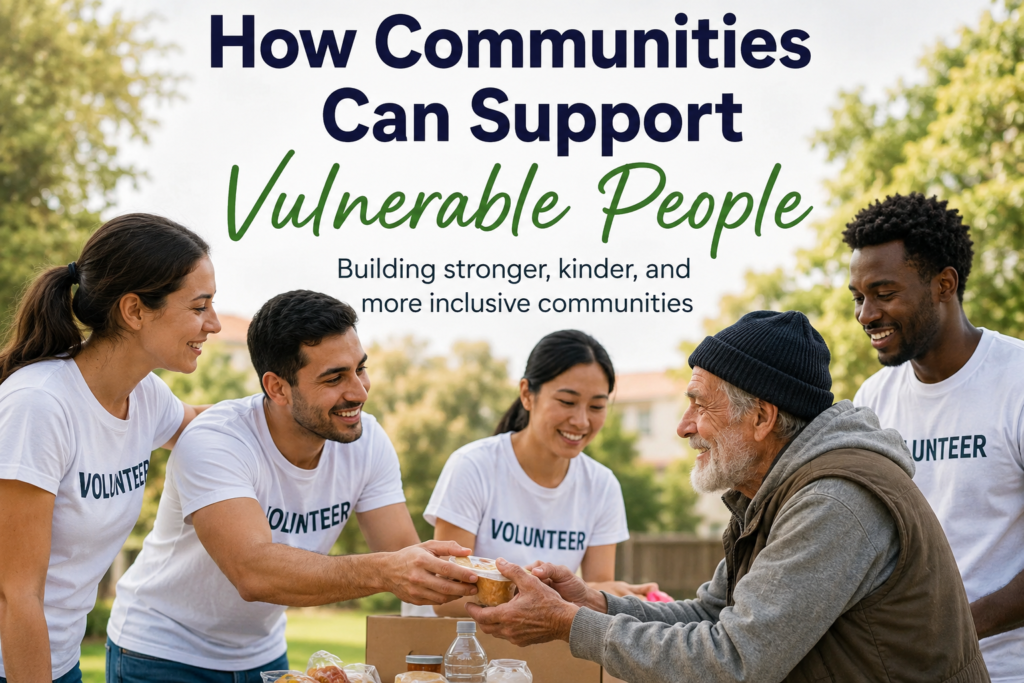
For example, a local business might donate supplies, volunteers might distribute them, and a community organization might identify families who need support. Each group contributes something different.
This kind of cooperation can reduce wasted resources and reach more people.
Build a Culture of Respect
Support is not only about providing material assistance. It is also about treating people with respect.
Nobody wants to be defined only by their difficulties. Vulnerable people are individuals with dreams, talents, responsibilities, and personal goals.
Communities should avoid stereotypes and focus on inclusion. People should be encouraged to participate rather than being treated as helpless.
In my opinion, respect is one of the most powerful forms of support because it protects a person’s dignity.
Final Thoughts
Communities have the power to make vulnerable people feel supported, respected, and included. The solution does not always require large organizations or huge amounts of money. It can begin with ordinary people paying attention to what is happening around them.
Checking on a neighbor, volunteering, sharing food, supporting children, helping older adults, creating accessible spaces, listening without judgment, and connecting people with useful resources are all meaningful steps.
I believe the strongest communities are not those where nobody needs help. They are communities where people know that help is available when they need it.
Every person has something to contribute, and every person may need support at some point in life. When we understand this, we become more willing to help others without judgment. By working together and showing genuine care, communities can create a safer, kinder, and more inclusive environment for everyone.
Supporting vulnerable people is ultimately about building a community where nobody feels invisible. When people know they matter, they are more likely to participate, connect with others, and contribute to the community around them. That is the kind of community I believe we should all work toward.